Indonesia’s Spice Islands: A Journey Through One of History’s Most Valuable Archipelagos

Indonesia’s Spice Islands: A Journey Through One of History’s Most Valuable Archipelagos

It is difficult to reconcile the serenity of the Banda Islands today with the fact that, four centuries ago, some of the world’s most powerful nations were fighting over them.

These tiny volcanic islands scattered across the Banda Sea were once the world’s only source of nutmeg and mace (the delicate outer covering of the nutmeg seed). Long before they became familiar ingredients in kitchens around the world, these spices were extraordinary luxuries, coveted for cooking, medicine and preservation and were traded across Asia, the Middle East and Europe. Nutmeg became so valuable that European powers sailed halfway around the world in pursuit of it.

First came the Portuguese, followed by the Dutch and English. The competition was anything but benign. The Dutch East India Company eventually seized control of most of the Banda Islands in its pursuit of a nutmeg monopoly, violently decimating and displacing much of the local population in the process.

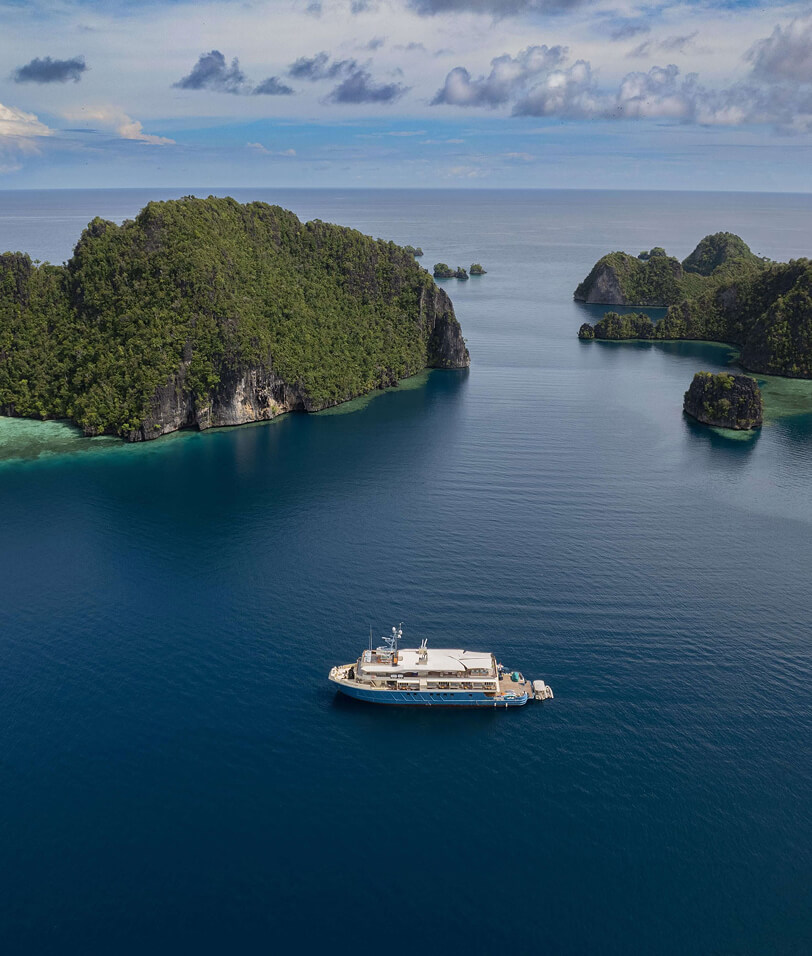
Arriving in Banda, it is easy to imagine the sailors who once crossed the world for months to reach this remote archipelago. As you approach Banda, passing between the active volcano of Gunung Api and reefs visible beneath the clear water, it is hard to reconcile the beauty and serenity of the islands with the weight of their history.

Banda tells a complicated story of human nature: of extraordinary courage and adventure, but also of greed and the bloodshed that followed. The spices that made these islands unimaginably valuable ultimately became a curse for the Bandanese people. Today, Banda is peaceful and deeply welcoming, yet somehow the burden of the past still hangs in the air.

And then there is Rhun.

Today, it is a tiny, sleepy island covered in nutmeg trees. In 1667, it was so valuable that the English relinquished Rhun to the Dutch as part of the Treaty of Breda. Among the territories the Dutch surrendered in return was New Netherland, including New Amsterdam (now present day Manhattan.)

Tracing the Spice Route

The Spice Islands make particular sense from the water. For centuries, the sea was their connection to the outside world, carrying spices, traders, colonists and ideas between these remote islands and distant continents. Even today, the sea remains integral to daily life, particularly for the fishing communities that live here.

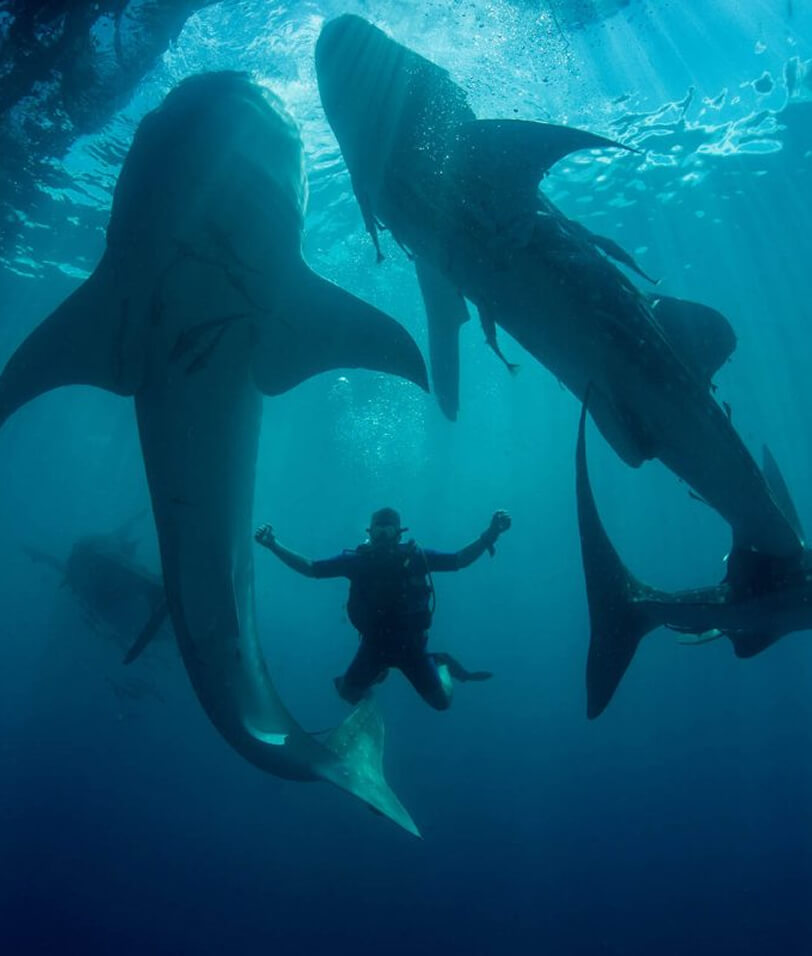
And what a sea it is. The Banda Sea sits along the migration route of blue whales and pygmy blue whales, while immense underwater walls rise from the depths, creating corridors for large pelagic species, including schools of hammerhead sharks. Visibility can be extraordinary. Divers hover alongside coral walls looking down into what feels like an endless blue abyss, while the shallows above are alive with an astonishing diversity of coral and reef fish.

The Banda Sea is rough for much of the year, leaving a relatively short seasonal window for exploration. It is one of the reasons these islands remain so wonderfully undeveloped and are particularly suited to exploring by yacht. From the water, there is an almost Caribbean quality to the white sand beaches, shallow coral reefs, colorful villages and warm welcomes ashore.

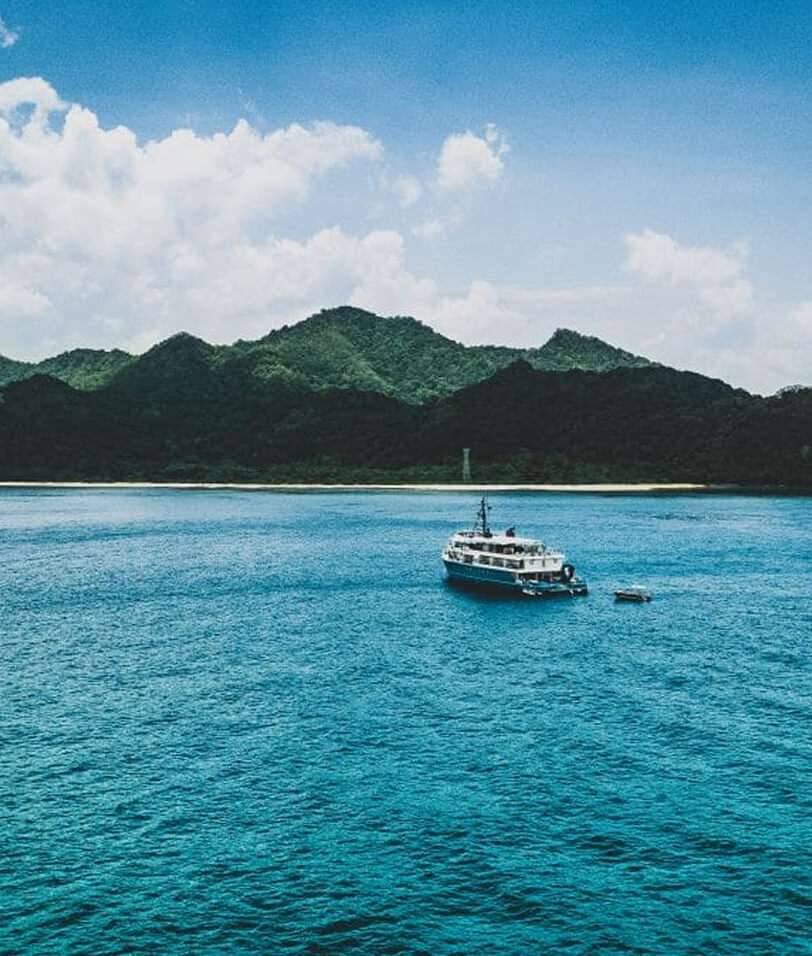
Kudanil Explorer’s journey of The Spice Islands begins in Ambon before The Kudanil heads into the open Banda Sea, one of the deepest seas on Earth. Dolphins may appear alongside the yacht and migrating whales can sometimes be spotted in the distance. The first stop is remote Suanggi Island, where reefs fall dramatically into deep water and schooling hammerheads can occasionally be seen below the surface.

As you journey onwards, you wake up at Rhun. There is something rather wonderful about stepping ashore on an island that once influenced the fate of Manhattan and finding bountiful nutmeg still growing there. The spice never disappeared when the empires did. Nutmeg plantations remain part of life across the Bandas today, and Banda nutmeg and mace are still traded internationally.

From Rhun, Kudanil Explorer continues to neighboring Ai, where colonial history exists alongside coral walls covered in giant sponges and marine life.

History You Can Walk Through

Banda Neira is where the past becomes especially tangible.

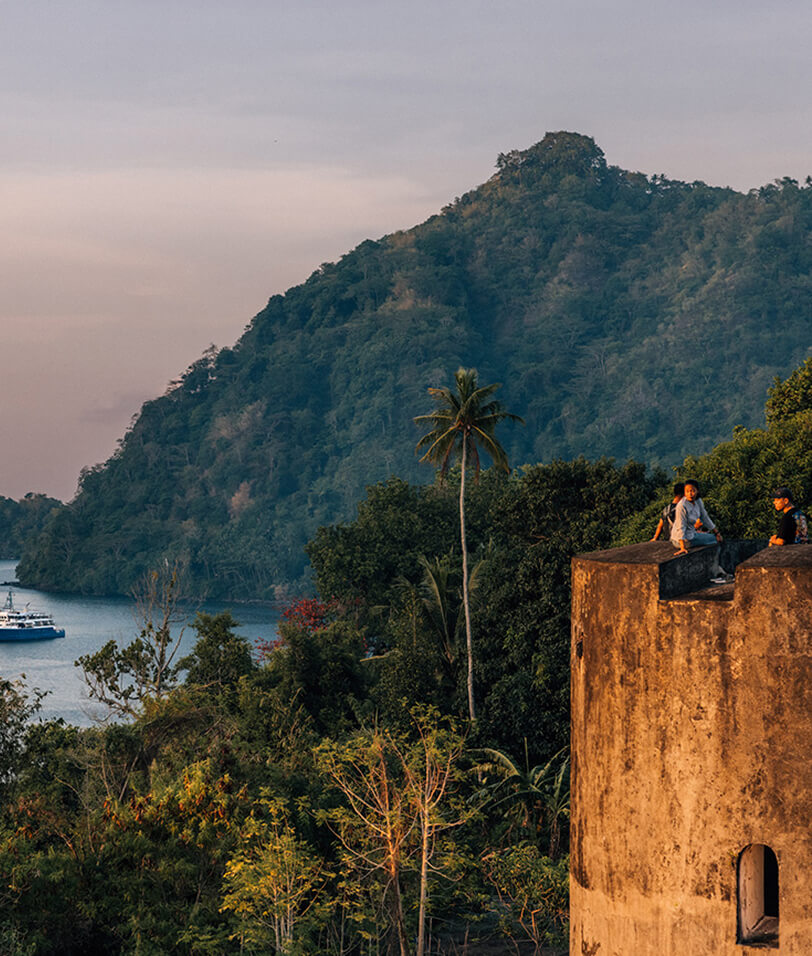
Gunung Api, an active volcano whose name in Indonesian means “fire mountain”, rises dramatically while Dutch forts still overlook the islands they were built to protect. Here, you can spend your days exploring by motorbike with your expert guides, walking through old nutmeg plantations and tracing the remnants of a global trading empire before returning to the water. Beneath Gunung Api, ancient lava flows have created remarkably vibrant reefs.

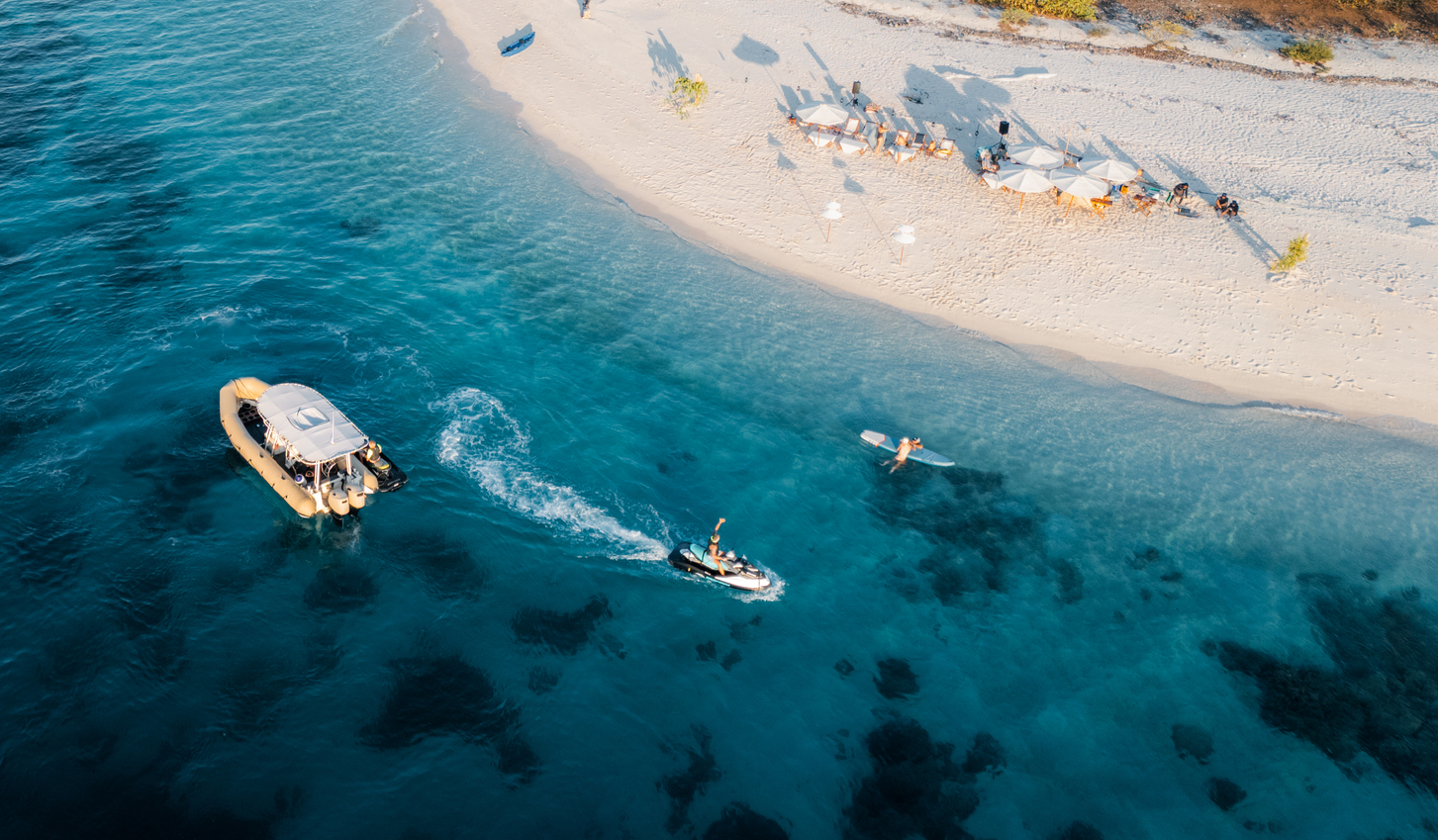
This interplay between history and nature continues throughout the journey. At Hatta Island (named for Indonesia’s first Vice President, who was exiled to the Bandas by the Dutch) sunlit caverns and coral gardens plunge into the ocean which can be explored by snorkel or diving. Later, The Kudanil reaches Nusa Laut for natural hot springs before finishing at the white sands and clear shallows of Molana Island, where the crew can set up the Kudanil Beach Club for one last afternoon in the water.

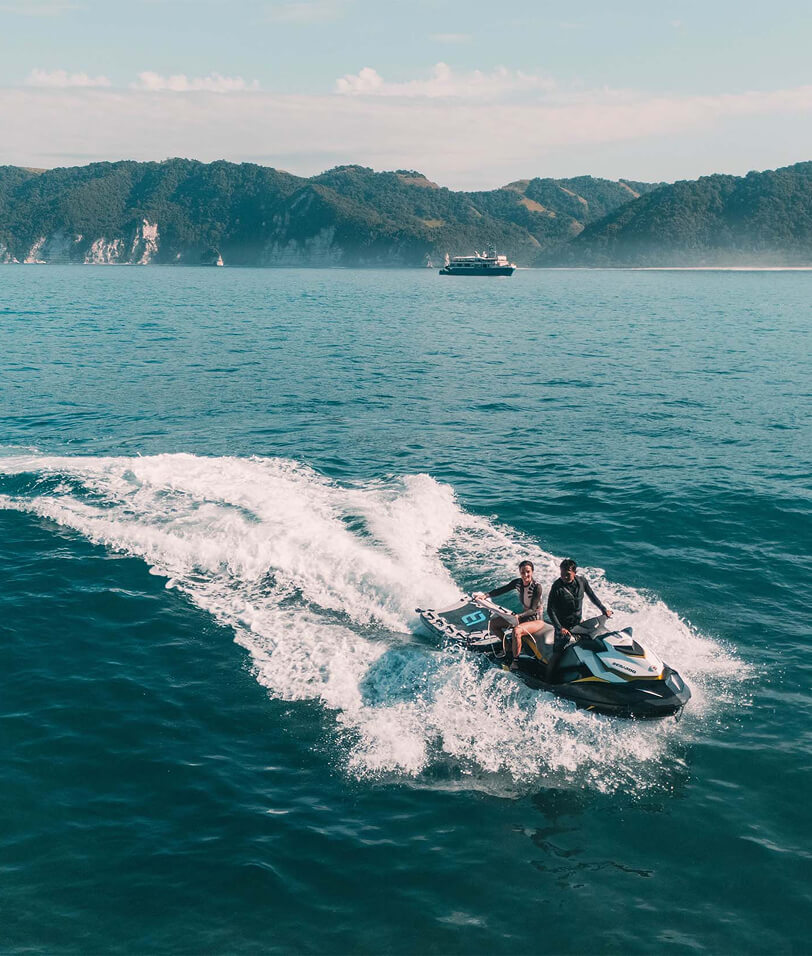
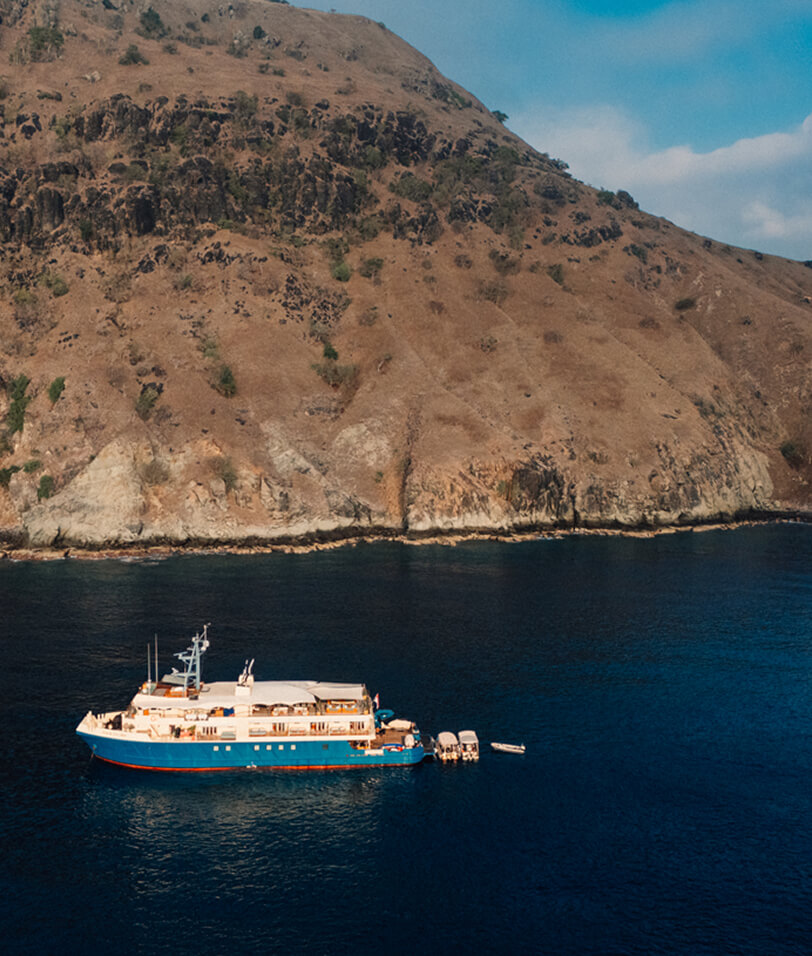
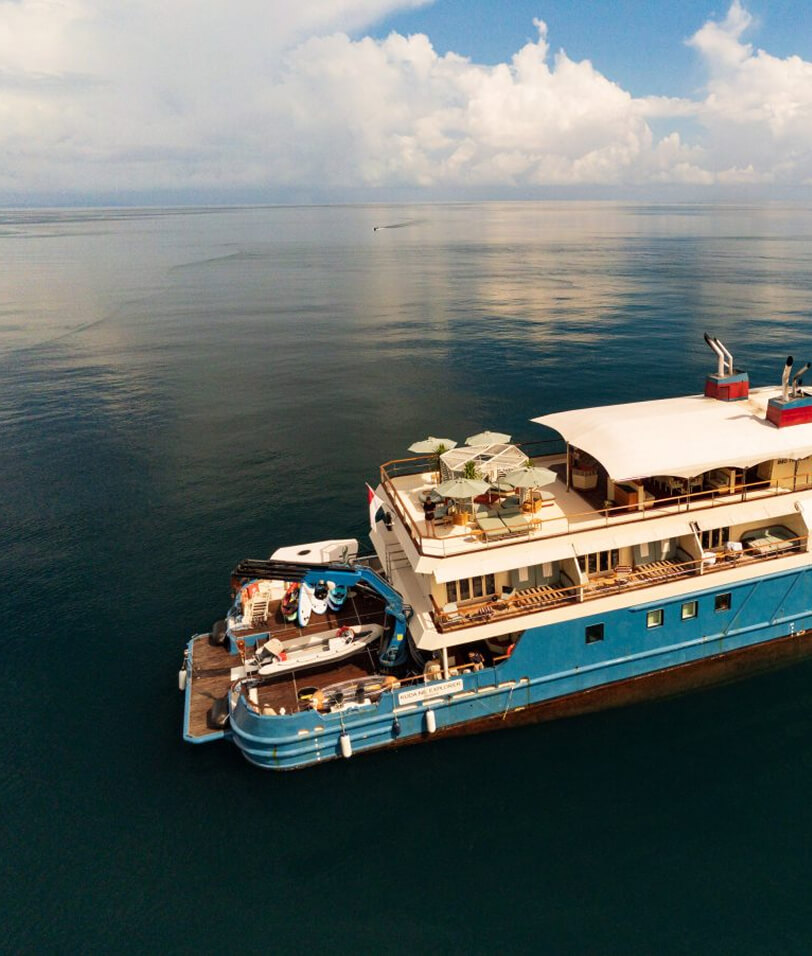
This is precisely the kind of journey The Kudanil was designed for. Its steel hull and exceptional stability make the significant open water crossings of the Banda Sea remarkably comfortable, while three tenders allow a group to split up when curiosity pulls people in different directions. One group can dive a deep coral wall while another heads ashore to a nutmeg plantation.

Perhaps that is the real magic of the Spice Islands. History here is not something contained behind museum glass. It is growing on trees, crumbling gently into the jungle, living in villages and sitting beneath the surface of the sea, waiting to be explored.

As Seen In

Travel + Leisure Explores Indonesia’s Spice Islands with Kudanil Explorer
SURFER features Kudanil x Mahalo Surf Experience
On board with Thibaud Epstein on Kudanil Explorer
Kudanil Explorer Mentioned in the Financial Times: Trusted for Off-Grid Luxury Voyages
Is The Kudanil Explorer The Ultimate Indonesian Adventure Yacht?
Kudanil Explorer Mentioned in Boat International
A’hoy there! Kudanil Explorer in June 2024 issue of Country Life Magazine
Travel + Luxury Magazine surfs with Kudanil Explorer
Yachtstyle features the Kudanil Explorer in Jan 2022 issue
Thibaud Epstein reminisces about life aboard in BOAT International
Search for Birds of Paradise…
Kudanil Explorer explores East Indonesian waves
Le Figaro recommande le Kudanil Explorer
Exploring Triton Bay with Traveller Magazine
Kudanil Explorer in Centurion Magazine
Kudanil Explorer Robb Report’s favorite